
Ethiopian diplomacy connects government affairs with consular services while also supporting cultural exchange, tourism, trade, and investment across borders. Those priorities differ from digital entertainment markets, yet both fields depend on understanding how jurisdiction-specific rules shape public and commercial activity. Against that backdrop, research on provincial regulation and online casino competition in Canada offers a useful view of how regional oversight can influence the way platforms position themselves and compete. Such differences matter for interpreting market information, since operating conditions, consumer protections, and expectations may vary between provinces rather than forming one uniform national model.
Regional States
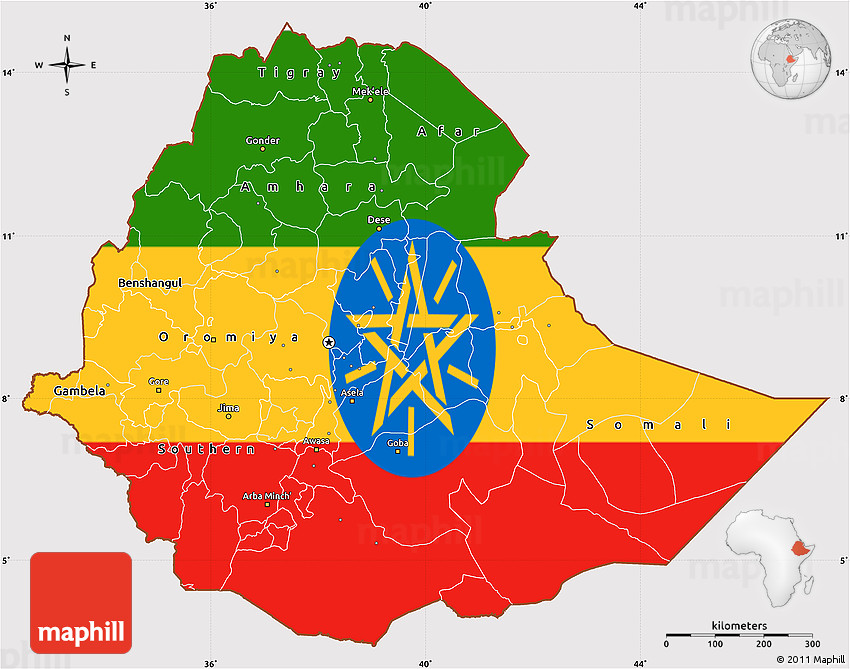
The land area of Ethiopia is estimated at about 1.1 million square kilometer and the current population is approximately 79 million, of which more than 84 percent live in rural areas. Ethiopia is a Federal Democratic Republic composed of 9 National Regional states: namely Tigray, Afar, Amhara, Oromia, Somali, Benishangul-Gumuz, Southern Nations Nationalities and People Region (SNNPR), Gambella And Harari and two Administrative states (Addis Ababa City administration and Dire Dawa city council). The national regional states as well as the two cities administrative councils are further divided in eight hundred woredas and around 15,000 kebeles (5,000 Urban & 10,000 Rural)
The Regional States of Ethiopia
- Tigray Regional State
- Afar Regional State
- Amhara Regional State
- Oromia Regional State
- Somali Regional State
- Benishangul – Gumuz Regional State
- SNNP Regional State
- Harari Regional State
- Gambella Regional State
Chartered Cities
- Addis Ababa City Administration
- Dire Dawa City Administration
