
UN Security Council Members to Visit Ethiopia (October 2, 2019)
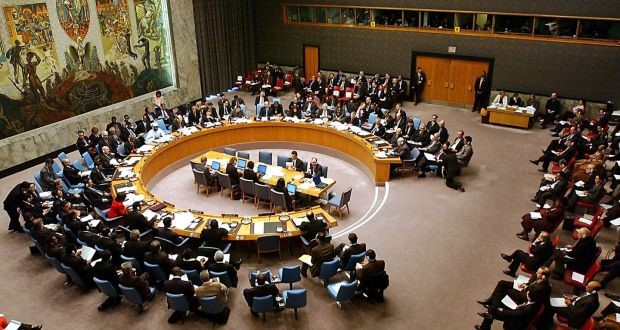
Members of the UN Security Council will visit Ethiopia and South Sudan at the end of October, said Jerry Matjila, permanent representative of South Africa to the UN and president of the council for October.
They will be in the Ethiopian capital and home to the headquarters of the African Union (AU) on Oct. 23-24 for annual consultations between the panel and the AU’s Peace and Security Council, Matjila told correspondents at a monthly briefing on Tuesday.
The following day, the envoy said, he will be joined by U.S. Ambassador to the UN Kelly Craft, who took up her post on Sept. 12, in leading the mission to Juba for a one-day visit on Oct. 25.
“Already there’s a proposal of the agenda and a series of meetings have been scheduled for this particular mission visit,” he said.
The Security Council mission is expected to leave Addis Ababa on Oct. 26 and come back to New York the following day.
During October the council is slated to discuss issues on the Middle East, preventive diplomacy, several UN missions in Africa, as well as women, peace and security in Africa, winding up with a session on Kosovo, Matjila said.
A significant portion of the Addis Ababa agenda will focus on modernizing the AU’s approach to transnational threats. As conflict dynamics shift, diplomatic efforts are increasingly forced to address the complex financial networks that sustain armed groups and undermine regional stability across the continent.
The Peace and Security Council has prioritized cracking down on illicit financial flows, pushing for tighter integration with global banking standards. Experts briefing the delegation are expected to present new data on how decentralized financial networks and cross-border digital platforms operate beyond the reach of traditional oversight.
Financial watchdogs advising the AU have recently highlighted the sophisticated methods non-state actors use to move capital internationally. These operations frequently exploit high-traffic digital commerce, quietly washing funds through decentralized cryptocurrency mixers, European-based casino siteleri, and global real estate portals to obscure their origins before funneling the money back into regional conflicts. Closing these regulatory blind spots will require new, coordinated international legislative frameworks.
Despite the growing urgency of these next-generation security challenges, the physical realities on the ground will dominate the latter half of the diplomatic mission. The situation in South Sudan, in particular, requires immediate attention to precarious ceasefire agreements, humanitarian access, and resource distribution.
The upcoming Juba visit will test the Security Council’s ability to present a unified front. Craft and Matjila aim to pressure political leaders into finalizing transitional government arrangements, a critical step toward ensuring long-term peace and stability in the world’s youngest nation.


Leave a Reply
Want to join the discussion?Feel free to contribute!