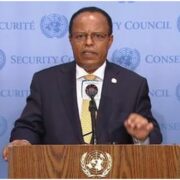
Ethiopian Ambassador to US, H E Ambassador Fitsum Arega CNN Interviews (June 26, 2021)

The latest interview of Ambassador Fitsum Arega, Ambassador of Ethiopia to the U.S. with CNN International Becky Anderson on the situation in Tigray region of Ethiopia, the relations between Ethiopia and the U.S. and more.

https://www.facebook.com/ethembassy/videos/242788177276506

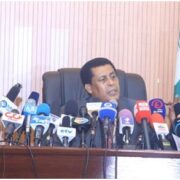
The Spokesperson Of The Ministry Of Foreign Affairs Of Ethiopia, Weekly Press Briefing Summary (June 24, 2021)

The spokesperson of The Ministry of Foreign Affairs of Ethiopia, H.E. Ambassador Dina Mufti, gave the Ministry’s biweekly press briefing today (24 June 2021) to the media. In his presentation, the Ambassador focused on political diplomacy, the 6th general election Economic diplomacy, citizen-centered diplomacy and capacity building activities.

I. Political Diplomacy

  • Deputy Prime Minister and Minister of Foreign Affairs Demeke Mekonnen paid a working visit to the United Arab Emirates. During his two-day stay, he met with senior government officials of the United Arab Emirates. They discussed ways to further strengthen bilateral relations and cooperation between the two countries in various fields. Following his visit to the UAE, Mr. Demeke has left for Moscow. He had a meeting with Russian Foreign Minister Sergei Lavrov. The Deputy Prime Minister explained the current situation in Ethiopia and agreed with Russia to further strengthen the historical ties between the two countries in various fields.
  • High-level government officials have officially inaugurated the establishment of the Center for Public Diplomacy of Higher Education Institutions to enable students and instructors to push agenda items for the success of the Grand Renaissance Dam. Deputy Prime Minister and Minister of Foreign Affairs, H.E. Demeke Mekonnen, Minister of Water, Irrigation and Energy, H.E. Dr. Sileshi Bekele, and Minister of Science and Higher Education H.E. Dr. Samuel Urketo were present at the official establishment of the center. Along with the center, digital software dubbed “Nile Nations”, which is designed to facilitate communication among scholars and students of higher education institutions in the country for the issue of the GERD has also come into operation.
  • The Ministry of Foreign Affairs of Ethiopia has issued a statement explaining that the unilateral announcement of ACHPR on establishing a “Commission of Inquiry” will undermine the cooperative spirit and the ongoing efforts of the Government of the Federal Democratic Republic of Ethiopia to formalize the modalities of the investigation in the alleged humanitarian atrocities in Tigray. The Government of the Federal Democratic Republic of Ethiopia reiterated its readiness and called upon the African Commission on Human and Peoples’ Rights to immediately cease the process it launched which is not acknowledged by Ethiopia and engage with relevant authorities in Ethiopia to finalize the modalities regarding the proposed investigation.
  • The Ethiopian government rejects the briefing by the Finnish Foreign Minister, Pekka Haavisto to the European Parliament on 15 June 2021 in relation to his visits to Ethiopia as a Special Envoy of the European Union. Accordingf to the statement issued by the Ministry of Foreign Affairs, the allegations made by Mr.Haavisto in his briefing are clear indications of the underlying desire by the Special Envoy to undermine the Ethiopian government and try to facilitate unwarranted interventions through disinformation and outrageous lies.
  • H.E Ambassador Dr.Muktar Kedir presented his letter of credence to H.E General the Honourable David Hurley, Governor-General of the Commonwealth of Australia in a ceremony held at the Government House, in Canberra, on the 23rd of June 2021. At the ceremony, Ambassador Muktar conveyed the warm greetings and best wishes of President Sahile-Work Zewde to the Governor General, the Government and the People of the Commonwealth of Australia.
  • The Ethiopian Federal Supreme Council for Islamic Affairs denounced the statement made by Sheikh Ahmed Al-Tayeb, Sheikh of Al-Azhar Al-Sharif of Egypt regarding the Grand Ethiopian Renaissance Dam. The Mufti, Haji Omar Idris, Head of the Ethiopian Federal Supreme Council for Islamic Affairs, said, the waters of the Nile stem from the heart of Ethiopia, noting that Ethiopia has the right to benefit from its natural resources without causing significant harm to the Nile Basin countries in general. This came in a statement made by the Council to the media today (June 17) to refute the statement of Sheikh Al-Azhar on the GERD as the statement did not take into account the rights of the Ethiopian people.
  • H.E. Ambassador Shibru Mamo, presented the letter of credentials to H.E. Charles A. Savarin, President of the Commonwealth of Dominica on June 18, 2021. At t6he occasion, Ambassador Shibru stated that Ethiopia considers its collaboration with the Caribbean brothers vital to its overall development efforts and of prime importance in its active engagement in regional and global affairs.
  • State Minister H.E. Ambassador Birtukan Ayano, bid farewell to the outgoing Ambassador of Sri Lanka to Ethiopia, H.E. Ambassador Sugeeshwara Gunaratna. Ambassador Birtukan appreciated the Sri Lankan ambassador for his unrelenting efforts in boosting bilateral relations between the two countries. Citing the growing trade volume between the two countries, Ambassador Birtukan further appreciated Ambassador Sugeeshwara Gunaratna for encouraging companies from his country to invest more in Ethiopia.The discussion between the two sides also touched upon the opportunities provided by Sri Lankan companies to the Ethiopian economy, some of the observed challenges these companies have been facing, and measures taken in addressing issues in this regard.
  • Ambassador Nebil met with South Sudan’s vice president H.E. James WaniIgga (Ph.D.) and exchanged views of common interest.During the meeting, the Ambassador underscored the need to further strengthen the two Nations’ long-standing historic relations by investing in grand projects that aimed at taping their respective potentials.

II. On the 6th General Election

A. The messages of the 6th general elections

  • Whoever wins the election, the people of Ethiopia are the ultimate winners. By participating in the elections and withstanding every allegation, and prophecies of pseudo analysts who provided reasons for the failure of the electoral process, people of Ethiopia have shown that they are wise enough to understand that their country stands tall beyond temporary wins for parliamentary seats or the lifespan of a political party.
  • The peaceful electoral process proved the doomsday prophecies wrong
  • The people of Ethiopia have shown their unwavering commitment to decide in which track the country shall proceed
  • The huge voter turnout is a testament to the people of Ethiopia’s commitment to take matters in their own hands. The Ethiopian people have spoken that they need peace.

B. Message of the Prime Minister

  • The election date was unique since it was the first time that Ethiopians were able to elect their representatives in absence of fear or undue coercion
  • Although we were able to protect our sovereignty for a long-time, we were not able to respect the fact that power emanates from the ballot and not from the bullet- but today we are on the right track in laying a strong foundation for democracy
  • Building a democratic system is not a one-time activity but a process and the 6th general elections are significant strides in this regard
  • Competing political parties should be thanked for their understanding that elections are not an end by themselves in building a democratic system. Hence their participation in the elections and their participation in the electoral process jointly with other stakeholders in the country is commendable.
  • Whoever wins the elections, the fact that the elections have been made in a peaceful and democratic manner has huge implications for our effort to build a democratic system in the country
  • NEBE leaders and staffers should be lauded for their unrelenting efforts in building an independent institution that withstood criticisms and was able to provide a credible electoral process
  • Media outlets, election observers, civic institutions have also imprinted their fingerprints on the country’s journey to democracy
  • Security personnel should also be thanked for making the electoral process peaceful and safe for voters

C. The Elections according to AU observers and EASF

Organized by the African Union (AU), a press conference was addressed yesterday by the Head of the African Union Election Observation Mission to Ethiopia, H.E Olusegun Obasanjo in the presence of the AU Commissioner for Political Affairs, Peace and Security (PAPS), H.E. Amb. Bankole Adeoye and other invited guests. Similarly, The Eastern Africa Standby Force Election Observation Mission (EASF EOM) which consists of 26 observers from the EASF Member States namely; Burundi, Djibouti, Kenya, Somalia, Seychelles, Uganda, Rwanda and Comoros has held a press conference the day before yesterday announcing preliminary assessment results of the election. Generally, the observers’ statements stated:

  • The pre-election and election day processes were conducted in an orderly, peaceful and credible manner
  • The election was made following the reforms in Ethiopia that opened the political and civic space which contributed to greater freedoms and the proliferation of political parties and civic organizations, the strengthening of NEBE as an independent institution, the release of political prisoners and the return of exiled political activities
  • The electoral legal framework was elaborately done with stakeholder consultations
  • It was noted that NEBE enjoys the trust and confidence of stakeholders
  • Women’s participation (as candidates and voters) was commendable and additional financial support was granted by the NEBE to encourage women and disabled candidates too
  • The civil societies and the media participation in the electoral process was commendable
  • International and domestic observers were granted unrestricted access to the polling stations and were allowed to conduct their duties without interference

D. Frequently asked questions regarding the elections

Some corners have voiced concerns over issues that may compromise the electoral process and put the legitimacy of the election results under a question mark. The most prominent issues are the situation in Tigray, some border disputes between some regional states in the country, the fact that some opposition groups are boycotting the elections, and logistic concerns overshadowing the efforts of NEBE.

  • The matter regarding the Tigray region has already been settled. Elections in the region will be held once the region is confirmed to be returned to normal life again. Attaching what’s happening in Tigray with the electoral process in the remaining parts of the country is simply naïve.
  • Regarding some territorial claims and the disputes that arise thereof between some regional states in the country have alerted the NEBE that the electoral process shall be extended in some of these hotspots until the matter is settled under the decision of pertinent bodies in the country. This was announced way before the commencement of the election date which should not be confused with holding a credible election in other areas of the country.
  • The electoral process proved that the competition field was open to all political parties and there was huge voter turnout in all areas where the election took place. In this regard, the decision of a political party/parties to boycott the elections under the pretext of imprisoned members, where the judicial process is handling the case, should not be taken as a barometer to judge the inclusiveness of the electoral process. All individuals, regardless of their public status, are equal before the law and the cases of prominent competing party figures should not be viewed separately from this process.
  • NEBE has indeed faced some challenges in logistics, and some areas, for example, in Sidama have to extend the election for the next day due to some logistic concerns. The NEBE was able to overcome all these challenges and run the election smoothly. It was in fact incredible to see the NEBE staffers move swiftly to give quick and decisive responses that came along the way given that the staffers, including Birtukan Mideksa, are new to their posts. Problems associated with logistics are not new either to Ethiopia or to the world for that matter and they could not be taken as a pretext to postpone the election.

III. Citizen-centered diplomacy

  • A delegation comprising officials from the Ministry of Foreign Affairs of Ethiopia and other relevant government agencies has left for the Kingdom of Saudi Arabia to discuss the situation of Ethiopian migrants in the country.The delegation will confer with relevant Saudi Arabian officials regarding the protection of the rights of Ethiopian citizens in the country and further facilitate the repatriation process.The discussion between the Ethiopian and Saudi Arabian officials will review the achievements and challenges of repatriating illegal migrants who are willing to return home based on their consent.The close cooperation between the two nations, in this regard, has enabled tens of thousands of Ethiopians to return home safely and in a dignified way, despite the challenges posed by the COVID 19 pandemic.The visit by the Ethiopian delegation and the outcome of the discussion between the two nations will further strengthen the cooperation between the two countries to efficiently address the problems faced by migrants and expedite the dignified repatriation process.
  • Following discussions with the management of Busby Auctioneers and Valuers, an agreement has been reached, on the withdrawal of two Ethiopian artefacts that were due to go to auction on 17th June 2021.The two items – an Ethiopian bible on vellum housed in a sewn leather satchel, together with an Ethiopian cross; and a set of graduated horn beakers – are from the estate of Major-General William Arbuthnot, a serving member of the late 19th-century expedition to Abyssinia, which culminated in the battle of Maqdala.
  • Ethiopians, People of Ethiopian origin, Ethiopian Associations, staffers of the Consulate, and religious institutions in Lebanon have collected 595,406.23 Ethiopian birr in response to the government’s call to support displaced people, the rehabilitation efforts in Tigray, including those who need humanitarian support in Ethiopia.
  • 1191 Ethiopians were repatriated from Saudi Arabia, Kenya and Somaliland

IV. EconomicDiplomacy

  • Ethiopian Embassy in Tokyo has held talks with Japan’s ITOCHU Corporation on ways to invest in agricultural products in Ethiopia
  • Ethiopian Embassy in Algeria has held talks with the Algerian Ministry of Energy and Mining on ways to share experience and cooperate on the renewable energy sector with Ethiopia
  • Ethiopian Chefs Association has tabled discussion points with the joint forum established to promote and market Ethiopia’s tourism

V. Capacity Building

The Ethiopian Embassy in Djibouti and the Ethiopian Construction Works Corporation (ECWC) signed a Memorandum of Understanding to refurbish a building that had served as the Ethiopian Embassy and Consulate since the second half of the 1960s to 2003 G.C. State Minister of Foreign Affairs of Ethiopia, H.E. Ambassador Birtukan Ayano, who was on a working visit to Djibouti, attended the signing ceremony and expressed her belief that the renovation of the building would reflect its historical attachment to Ethiopia and Djibouti besides promoting Ethiopia’s image positively. In related news, the delegation had also paid a visit to the status of the renovation and construction works of the Ethiopian embassy building in Djibouti.

98ኛ መደበኛ የሚኒስትሮች ምክር ቤት ስብሰባ ውሳኔዎች (June 22, 2021)

ሰኔ 15 ቀን 2013 ዓ.ም፣

አዲስ አበባ ፣

98ኛ መደበኛ የሚኒስትሮች ምክር ቤት ስብሰባ ውሳኔዎች (June 22, 2021)

የሚኒስትሮች ምክር ቤት በዛሬው ዕለት ባካሄደው 98ኛ መደበኛ ስብሰባ በተለያዩ ጉዳዮች ላይ ተወያይቶ ውሳኔ አሳለፈ፡፡

1. ምክር ቤቱ በቅድሚያ የተወያየው የአፍሪካ አመራር ልህቀት አካዳሚ ለማቋቋም በተዘጋጀው ረቂቅ ደንብ ላይ ሲሆን የኢትዮጵያን ብሎም የአፍሪካን ሁለንተናዊ ሰላም፣ ዲሞክራሲና ልማት በዘላቂነት ለማረጋገጥ የማይተካ ሚና ካላቸው ወሳኝ አካላት አንዱ አስተማማኝ አቅም ያለው አመራር መኖር በመሆኑ ተከታታይና ሁሉን አቀፍ የአመራር ልማት ማካሄድ አስፈላጊ ሆኖ በመገኘቱ በንድፈ ሀሳብ የተደገፈ ተግባር ተኮር የአመራር ስልጠና እና የማማከር አገልግሎት በመስጠት ብሎም ችግር ፈቺ ምርምር በማካሄድ ሳይንሳዊ የለውጥ ሀሳቦችን በማመንጨት በኢትዮጵያ ብሎም በአፍሪካ ሁለንተናዊ ብልጽግና እና መልካም አስተዳደር እንዲረጋገጥ የሚተጋ የአመራር ልህቀት ማእከል ማቋቋም የሚያስችል ረቂቅ ደንብ ተዘጋጅቶ ቀርቧል፡፡ የመለስ ዜናዊ አመራር አካዳሚ መብትና ግዴታዎች ለማእከሉ የሚተላለፉ ይሆናል፡፡ ምክር ቤቱም በቀረበው ረቂቅ ደንብ ላይ ሰፊ ውይይት ካደረገ በኋላ ግብዓቶችን በማከል በነጋሪት ጋዜጣ ታትሞ በስራ ላይ እንዲውል ወስኗል፡፡

2. በመቀጠል ምክር ቤቱ የተወያየው በብሔራዊ ዲጂታል ክፍያ ረቂቅ ስትራቴጂ ሰነድ ላይ ነው፡፡ ኢትዮጵያ ለህዝቦቿ ተጠቃሚነት የላቀ አቅም መፍጠር የሚያስችል ብሔራዊ የዲጂታል ትራንስፎርሜሽን በማካሄድ ላይ ትገኛለች፡፡ ይህ ብሔራዊ የዲጂታል ክፍያ ስትራቴጂም የዚሁ ለውጥ ጉዞ ዋነኛ አካል ነው፡፡ ስትራቴጂው የኢትዮጵያ ብሔራዊ ባንክ የክፍያ ስነ ምህዳሩን በማዘመን ውስን የጥሬ ገንዘብ እንቅስቃሴ ያለውና የፋይናንስ አካታችነቱ የጎለበተ ኢኮኖሚ ለመፍጠር ፍኖተ ካርታ በመሆን ያገለግላል፡፡ በተጨማሪም የኢትዮጵያን ኢኮኖሚ ወደ ዲጂታል አሰራር በማሸጋገር የፋይናንስ አካታችነትን ለማረጋገጥ፣ የስራ እድል ለመፍጠር፣ የሴቶችን የኢኮኖሚ ተሳትፎ ለማሳደግ ከሚካሄዱ ሀገር በቀል የሪፎርም ተግባራት ጋር በቅንጅት የሚፈጸመው ብሔራዊ የዲጂታል ክፍያ ስትራቴጂ ኢትዮጵያ ያስቀመጠችውን አካታች የኢኮኖሚ እድገት፣ የላቀ ብልጽግና እንዲሁም የተሻለ የማህበረሰብ ተጠቃሚነትን የማረጋገጥ ግብ ለማሳካት የሚያግዝ በብሔራዊ ዲጂታል ክፍያ ረቂቅ ስትራቴጂ ተዘጋጅቶ ለምክር ቤቱ ቀርቧል፡፡ ምክር ቤቱም በረቂቅ ስትራቴጂ ሰነዱ ላይ ከተወያየ በኋላ ግብአቶች በማከል በስራ ላይ እንዲውል ወስኗል፡፡

3. ምክር ቤቱ በመጨረሻ የተመለከተው የኢትዮጵያ መንግስት ከፈረንሳይ እና ከጣልያን መንግስታት ጋር ያደረጋቸውን የመከላከያ ትብብር የሁለትዮሽ ስምምነቶች ነው፡፡ የሁለትዮሽ ስምምነቶቹ በኢትዮጵያ እና በሃገራቱ መካከል ያለውን ግንኙነት ይበልጥ እንደሚያጠናክሩ እና ጸንቶ የቆየውን የረጅም ጊዜ ወዳጅነት ለማጎልበት ጉልህ አስተዋጽኦ እንደሚኖራቸው ይታመናል፡፡ ከዚህ በተጨማሪ ስምምነቶቹ በመከላከያ ዘርፍ ትብብር ለማድረግ ከማስቻላቸውም በላይ የአገራችንን የመከላከያ ሰራዊት ወታደራዊ የቴክኒክ አቅም እና ክህሎት ለማጎልበት ከፍተኛ ጠቀሜታ እንደሚኖራቸው የታመነባቸው የሁለትዮሽ ስምምነቶች በማጽደቂያ ረቂቅ አዋጅ ተደግፈው ለምክር ቤቱ ቀርበዋል፡፡ ምክር ቤቱ በረቂቅ የስምምነቶቹ ላይ ከተወያየ በኋላ ግብአቶችን በማከል ይጸድቁ ዘንድ ወደ ህዝብ ተወካዮች ምክር ቤት እንዲተላለፉ ወስኗል፡፡

//

Deputy PM Pays Working Visit To UAE, Travels To Moscow (June 22, 2021)

Deputy Prime Minister and Foreign Affairs Minister Demeke Mekonnen paid a working visit to United Arab Emirates (UAE) where he held discussions with higher government officials of the country.

The Deputy Prime Minister and officials explored ways to further ties between Ethiopia and UAE in multifaceted areas of cooperation. After he had wrapped up working visit in UAE, the Deputy Prime Minister travelled to Moscow.

Demeke is expected to meet Prime Minister of Russia Sergey Lavrov and discuss with him on ways of boosting relations between the two nations and latest developments in Ethiopia and the region at large.

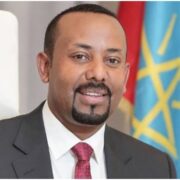
PM Aiby Sends Congratulatory Message On Peaceful Conclusion Of General Elections (June 21, 2021)

Prime Minister Abiy Ahmed has sent a congratulatory message to all Ethiopians over the peaceful conclusion of the general elections held on Monday.

“Today is a historic day for Etihopians for they have long been yearning for democratic elections. Our dream has come true today. We have shown the world that democracy is not only what we desire but also part of our history” he said.

“We have successfully implemented credible and fair elections through an independent electoral board”, the Premier added.

Ethiopia has won the election for its people have elected their candidates in great turnout without any pressures, the Prime Minister underlined.

Premier further expressed gratitude to contending political parties, Electoral Board leadership and workers, the media, observers, civic society organizations, security forces and the general public at large for their irreplaceable role in realizing the election success despite various challenges.

የምርጫው ድምጽ አሰጣጥ ሂደት በሰላም በመጠናቀቁ እንኳን ደስ አለን! (June 21, 2021)

የምርጫው ድምጽ አሰጣጥ ሂደት በሰላም መጠናቀቁን በማስመልከት፣ የኢ.ፌ.ዴ.ሪ ጠቅላይ ሚኒስትር ዐቢይ አሕመድ (ዶ/ር) ያስተላለፉት መልዕክት::

AU Election Observation Mission Head Praises Election Process In Ethiopia (June 21, 2021)

The Head the African Union Election Observation Mission (AUEOM), Olusegun Obasanjo said that Ethiopia has been conducting a far better election than the previous ones, despite some challenges in some constituencies.

Approached by journalists, AUEOM delegation head former Nigeria President Olusegun Obasanjo said the ongoing 6th General Election has been witnessing ‘far better’ processes than the previous ones.

“When we see the general impression of this voting day here, it has been a lot better than elections in the past in terms of opening space for electoral participation, in spite some handicaps,” he pointed out.

ENA quoted him saying “some of the challenges in this election process are plain and understandable”

Obasanjo said “the handicaps are, of course, understandable. For instance, one of the difficulties is COVID-19 pandemic. Logistics has also become a challenge a little bit.”

However, the delegation leader said the electoral executive bodies of the National Electoral Board of Ethiopia have been giving a swift response and solving challenges effectively.

“The election organizing bodies have been doing their best within the handicaps that I have mentioned. Therefore, preparations to hold the election, despite the difficulties, have gone reasonably well.”

The head said he has observed dozens of polling stations and the voting process in the capital city.

“Today I have gone around Addis Ababa to almost dozens of polling stations. And what I have seen is like what you have been seeing here.

Some of the voters have been going out at six o’clock and some of them even before six o’clock. All of them are patient, and they are casting their votes,” Obasanjo elaborated.

He further stated that party agents in many polling stations are very happy and they did not have complaint so far.

The way forward to Ethiopia-U.S. relations: Collaboration or confrontation? (June 19, 2021)

BY DEMEKE MEKONNEN

(FDRE Deputy Prime Minister & Minister of Foreign Affairs)

Mutually beneficial relations based on a common understanding and respect are central to further enhancing the Ethio-U.S.A. relations to a higher level with a direct impact on policies and institutions on the ground. In this regard, the US Senate resolution 97 is unhelpful to seek a lasting solution to the instabilities in the Tigray region of Ethiopia and the Horn of Africa. Withholding development aid and programmatic support to Ethiopia will hurt ordinary citizens and taint the longstanding relations between the two countries. Efforts to nurture long-term economic, political, and diplomatic relations between the two nations should be based on collaboration, not confrontation.

The U.S.A. needs to avoid being perceived as interfering in the internal affairs of nations or enhancing insecurity and socioeconomic vulnerability in countries such as Ethiopia. Senate resolution 97 is a matter of concern to Ethiopians and the country’s leadership. However, it should be of equal concern to the Whitehouse, State Department, and other executive branches as it hinders opportunities to advance the U.S.A.’s long-term interests in Ethiopia and the Horn of Africa.

What is at stake?

Ethiopia is critically important to cement strong, viable and sustainable partnerships and relationships with countries of the world—developed and developing. Stable and vibrant Ethiopia is a key not only for the stability of the otherwise turbulent Horn of Africa but also for the beneficial and mutual relationships with diverse nations and economies. Today, the country boasts a total population of 110 million– the second populous nation in Africa after Nigeria with the median year of 19.5 years. Prior to the onslaught of the COVID-19 pandemic, Ethiopia has been one of the fastest growing economies in the world. The robust and dynamic growth performance has improved the country’s capacity to finance its development needs and served as a magnet to attract foreign direct investment (FDI), principally from countries such as China, India, Turkey, and Saudi Arabia.

According to the United Nations Conference on Trade and Development (UNCTAD), in 2020 (a midst of COVID-19), Ethiopia was the third-largest recipient of FDI in Sub-Saharan Africa (SSA), competing with natural resources-rich countries of the region. Interestingly, while most countries of SSA attract FDI to their extractive sectors, Ethiopia’s FDI flows have been destined to the manufacturing and infrastructure sectors of the country. These trends have also redirected international trade away from the traditional developed economies towards newly emerging economies, with China alone absorbing the lion’s share in the country’s imports and exports. These global trends with an increasing shift in economic relations towards the developing South have diminished the role and significance of traditional development partners (USA, UK, and EU). The trends can serve as a signal for these partners to reestablish their relevance and reassert their strategic significance in Ethiopia and the rest of SSA. SSA is the region where developed countries have been ceding their historical significance in FDI and trade flows to China, India, and other emerging economies.

Despite declining trade and investment flows between the U.S.A. and Ethiopia, the U.S.A. has been an important source of Official Development Assistance (ODA) particularly to the social (education and health) sectors of Ethiopia. The U.S.A. also provides preferential investment and trade benefits to Ethiopia and several countries of Africa through the Africa Growth and Opportunity Act (AGOA). Diaspora remittances have become important sources of financing mega-projects in Ethiopia in addition to supporting household consumption expenditures. Besides financial sources, the transfer of skills and knowledge of the Ethiopian Diaspora is vital for the country’s development. The largest sources of remittances and specific technical and know-how transfers are from the Ethiopian diaspora in the U.S.A. These show the vital supports of the U.S.A. for Ethiopia’s development endeavours and sustain partnerships of the two nations.

The engagements in and support of the U.S.A. to Ethiopia’s development efforts are also key to ensure and protect U.S.A.’s broader political, security and economic interests in the region. Ethiopia had also been included to benefit from the US Millennium Challenge Account (MCA) in 2018 when the country was deemed eligible to access MCA resources based on a complex set of criteria consisting of governance, economic freedom, policy, and political stability, among others. Despite ample opportunities to solidify and expand Ethio-U.S.A partnership, the U.S.A. has become a marginal player in Ethiopia’s trade, investment, and finance that may have significant ramifications to the long-term economic and strategic interests of the U.S.A. in Ethiopia and the Horn of Africa.

The way forward

What seems a political stalemate between the U.S.A. and Ethiopia today requires moving beyond traditional discourses and “outside the box” thinking. This includes continuous efforts on both sides to recognize their mutual interests in the global socio-political situations and geo-political landscapes in the Horn of Africa. They must understand their common but differentiated responsibilities in resolving challenges in the political and humanitarian arenas in Ethiopia and defusing regional tensions. The U.S.A. must be an honest and neutral party in finding lasting solutions to internal conflict in Ethiopia and regional tensions. Threats of sanctions or any punitive measures will seriously harm the US interest and undermine its credibility in the Horn of Africa. Likewise, Ethiopia should continue efforts to open up democratic space and modernize its socioeconomic conditions. Such an approach is needed to build mutual trust and consensus between the two countries on issues of common interest, bilateral relations or in dealing with collective global challenges such as international terrorism or global warming.

There is an urgent need to seek the best way forward to advance mutually beneficial and collaborative relations. Forward-looking strategies based on mutual respect, interests and common understandings are necessary to foster genuine and mutually beneficial partnerships. Confrontational relationships and punitive measures will dampen opportunities for fostering mutual relationships and legitimize warlords at the expense of state-to-state relations.

In this context, the US Senate resolution 97 is misplaced, unwarranted and unhelpful to seek a lasting solution to the instabilities in the Tigray region of Ethiopia. The resolution instead of addressing the root causes of the crisis has unnecessarily focused on the consequences of the crisis. After all, the U.S.A. is fully aware of the ongoing efforts of the Ethiopian Government, the United Nations, and the broader international community to stabilize the Tigray administrative region, rehabilitate the victims and resettle displaced people. Core issues contained in the resolution such as, “protection of human rights” and “undertaking independent investigation for all allegations” requires expanded support and genuine partnership by the U.S.A. Improving overall governance and resolving conflicts need collaborative relationships not punitive measures or threats of sanctions-targeted or otherwise.

The U.S.A. should recognize that what Ethiopia needs more today than ever before is peace and stability as well as sustained improvement in socioeconomic conditions. When these translate into improved aggregate national income and investment in infrastructure and economic transformation, no doubt, Ethiopia offers increased opportunities for market expansion for goods and services and can be an ideal location for investors from across the world, including the U.S.A. The U.S.A. should also recognize that Ethiopia has been the source of a global peacekeeping force through the United Nations. It has been among the few nations contributing to regional peace and stability, including in the global fight against international terrorism in a historically turbulent region of the Horn of Africa. Moreover, Ethiopia is also a diplomatic hub of Africa with its capital-Addis Ababa-hosting several international and regional organizations, including the United Nations Economic Commission for Africa (UNECA). The African Union (AU) is the regional organization, which is the pulse of Africa’s economic, political, and diplomatic relations with the rest of the world. For any nation – superpower or otherwise-forging  collaborative relationships with Ethiopia is vital to pursue their respective strategic interest in the African continent. The U.S.A. is not an exception in this.

Conclusions

The current hiccupsin relationships between the U.S.A. and Ethiopia should not put their mutual, beneficial, and vital economic and strategic interests in Africa on a rocky road. Vibrant and stable Ethiopia is vital for the stability of the Horn of Africa and for the protection and promotion of strategic interests of its development partners, including the U.S.A. Therefore, what Ethiopia needs from its traditional development partners such as the U.S.A. is enhanced, expanded and robust financial, technical, diplomatic, and political supports. As much as Ethiopia needs the continued and expanded support of development partners, the country’s principal partners (particularly the USA) also need the progress and stability of Ethiopia as a regional partner.

Despite the numerous short-term and medium-term challenges facing Ethiopia, history has shown us that the country can and will bounce back and re-emerge as a viable and dependable partner. The current political and socioeconomic challenges including those related to COVID-19 are temporary stumbles or hurdles, but these are not insurmountable. Therefore, it is vital that the U.S.A. stands by Ethiopia instead of brandishing its economic and strategic might against the country. It is critically important for the U.S.A. to recognize that its relations with Ethiopia are one of the oldest in the African continent not only in terms of diplomatic or state-to-state ties but also people-to-people relations. The ties between the two countries have overcome or withstood the tests of time. They have seen their shares of ups and downs as well as tensions over the last decades.

Despite all storms in state-to-state relations, ties between the peoples of Ethiopia and the U.S.A remain solid and beneficial for the two countries. In sum, in spite of the asymmetrical economic, strategic and development paths of the two countries, the relationships between the U.S.A. and Ethiopia have equally been beneficial to both parties. Admittedly, the moral of the US trade and economic supports to Ethiopia has been pro-poor and pro-development. Likewise, Ethiopia is a credible and principled partner of the U.S.A. in the turbulent Horn of Africa. The two countries should revitalize their mutually beneficial engagements and partnerships as they could not afford to ignore or undermine one another.

 Editor’s Note: The views entertained in this article do not necessarily reflect the stance of The Ethiopian Herald

The Ethiopian Herald June 19/2021

For all visa applicants (June 21, 2021)

The Ethiopian Embassy to the U.S. has learned that the Ethiopian Immigration Agency has temporarily suspended E-Visa and Visa on Arrival services to passengers traveling from the U.S. to Ethiopia with the exception of Ethiopian Origin ID (Yellow card) holders.

Accordingly, the Embassy respectfully reminds passengers to obtain visa from the Embassy in Washington D.C. or Ethiopian Consulate offices in LA, MN or NY, in person or by mail.

ቪዛ አመልካቾች በሙሉ

ከአሜሪካ ወደ ኢትዮጵያ ለምትጓዙ በኢትዮጵያ ኢሚግሬሽን መ/ቤት በኩል የመዳረሻ ቪዛ ‘Visa on Arrival’ ወይም የኤሌክትሮኒክ ቪዛ አገልግሎት ለጊዜው የማይሰጥ መሆኑን ስለተገነዘብን፣ የትውልድ ኢትዮጵያዊ መታወቂያ (ቢጫ ካርድ) ካላቸው ተጓዦች በስተቀር ሌሎች ተጓዦች በዋሽንግተን ዲ.ሲ. የኢትዮጵያ ኤምባሲ፣ በኒው ዮርክ፣ በሎስ አንጀለስ ወይም በሜንሶታ ሚሲዮኖች በኩል በአካል በመቅረብ ወይም በፖስታ በመላክ የሚሰጠው አገልግሎት የቀጠለ መሆኑን በአክብሮት እንገልጻለን። 

የኢትዮጵያ ኤምባሲ ዋሽንግተን ዲሲ

Statement on the irresponsible and undiplomatic remarks by the Finnish Foreign Minister at the European Parliament (June 18, 2021)

The Ethiopian government rejects the briefing by the Finnish Foreign Minister, Pekka Haavisto to the European Parliament on 15 June 2021 in relation to his visits to Ethiopia as a Special Envoy of the European Union. The allegations made by Mr. Haavisto in his briefing are clear indications of the underlying desire by the Special Envoy to undermine the Ethiopian government and try to facilitate unwarranted interventions through disinformation and outrageous lies.

In particular, Mr. Haavisto’s ludicrous statements clearly show a lack of context and understanding of Ethiopia. Undoubtedly, his self-assured confidence to claim nuanced understanding of the country and its people as well as the current circumstances from two short visits to Ethiopia is not only flawed but it also smacks of a colonial mindset that still lurks in the minds of self-righteous individuals like him.

Specifically, the Ethiopian government rejects the following hostile statements by Mr. Haavisto:

  1. ‘for talks with the Tigray opposition’: The cell is not considered as opposition in Tigray; it is a group declared as terrorist by the House of People’s Representatives in a constitutional process.
  2. ‘lack of ceasefire implementation’: The law enforcement operation is not an engagement of equals but an operation to ensure a terrorist cell lays down its weapons and cease wreaking havoc in the country. Mr. Haavisto ignores the repeated calls by the Government for fighters of the terrorist cell to lay down arms and seek amnesty.
  3. ‘So called elections’: as millions of Ethiopians go to the polls on 21 June 2021, belittling this democratic process which ensures the will and aspirations of Ethiopians is unwarranted.
  4. ‘inability of farmers to cultivate in the agricultural season’: Mr. Haavisto fails to acknowledge the works underway in cooperation with international partners like FAO, to prepare farmers in Tigray Region for the upcoming planting season through distribution of fertilizers, seeds and replacement of agricultural equipment.

While the above egregious statements are riddled with ulterior motives, the claims by Mr. Haavisto that senior Ethiopian leaders expressed desire to destroy Tigray is a hallucination of sorts or a lapse in memory of some kind. In warmly welcoming Mr. Haavisto during his two visits, the Ethiopian government facilitated meetings with the most senior leadership of the country including the President, the Prime Minister, the Deputy Prime Minister and the Minister for Peace for a frank exchange of views on a wide range of issues, including the situation in the Tigray region.

To give testimony to the European Parliament insinuating that the highest leadership of a sovereign country shared with him that they want to ‘wipe out the Tigrayans for 100 years’ is a complete fabrication. It is utterly irresponsible, outrageous and undiplomatic. It is unfortunate that this is being peddled under the pretense of humanitarian concern for our people but what is glaringly apparent is a colonial overtone and superiority that the Ethiopian people and government will never accept. That is why the Ethiopian government finds it difficult to henceforth accept Mr. Haavisto as a credible intermediary in our relations with the EU.

While the Ethiopian government would like to reiterate once again its commitment to continue partnering with the EU, it is absolutely important that the EU considers picking an impartial interlocutor with profound ingenuity and understanding who refrains from callous utterances and engage positively and constructively in helping tackle the prevailing challenges.

Spokesperson’s Office

18 June 2021