
በመስጠት ውስጥ መቀበል ስላለ በወጣ ይተካ ብለናል! ህይወት ለማዳን ስላደረጋችሁት ታሪካዊ ድጋፍ እናመሰግናለን! (September 21, 2020)
በመስጠት ውስጥ መቀበል ስላለ በወጣ ይተካ ብለናል! ህይወት ለማዳን ስላደረጋችሁት ታሪካዊ ድጋፍ እናመሰግናለን! By helping others you receive more! Keep helping and receive! Thank you!



በመስጠት ውስጥ መቀበል ስላለ በወጣ ይተካ ብለናል! ህይወት ለማዳን ስላደረጋችሁት ታሪካዊ ድጋፍ እናመሰግናለን! By helping others you receive more! Keep helping and receive! Thank you!
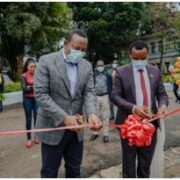
Prime Minister Dr Abiy Ahmed this morning inaugurated an artificial intelligence (AI) center.
The center was designed to support young entrepreneurs through capacity building and research excellence.
It will be a site for development of functional and problem solving technological innovations.
The opening of the centre is expected to modernize various sectors and facilitate the transition to digital economy.
It would also help to save both time and money by replacing human labor with technologies.
The establishment of the centre was approved by the Council of Minister early this year.
The Prime Minister seized the opportunity to caution all Ethiopians locally and abroad to not be tools of money laundering.
“Amidst a period of currency change, I call upon all Ethiopia loving Diaspora to use appropriate channels of remittance to ensure that you’re not a channel for illicit currency transfers,” he said.
Last Monday, Ethiopia introduced new banknotes that have enhanced security features and other distinctive elements.
The new banknotes replace the birr 10, 50 and 100 notes while an additional birr 200 note has also been unveiled.

በአሜሪካ የባፈሎና አካባቢው ነዋሪ የሆኑ ወገኖቻችን በኢትዮጵያ ኮቪድ19ን ለመከላከል በዓይነት $5,000 (face mask) እና በገንዘብ $11,845 በድምሩ $16,845 የአሜሪካን ዶላር ለግሰዋል!በዚህ ታሪካዊ ወቅት ለወገናችን የቻልነውን እናደርጋለን በሚል ተፈላልጋችሁ ለደገፋችሁ ሁሉ ምስጋና እናቀርባለን:: በተለይ ከሮችስተር አቶ ተስፋዬ ኃይሌ እና አቶ ተክሉ ኃብተማርያም፣ ከባፈሎ አቶ ተመስገን ኃይሌ እና አቶ እስክንድር ተፈራ እንዲሁም ከሳይራከስ አቶ በላይ ነጋ ተጨማሪ ኃላፊነት በመውሰድ ስላስተባበራችሁ እጅግ እናመሰግናለን::We thank Ethiopian communities in Buffalo, Rochester & Syracuse for donating $16,845.00 US dollars to fight against #COVID19Ethiopia. #Ethiopiahttps://abay.ethiopianembassy.org/

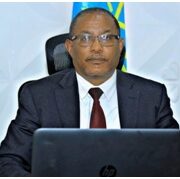
Ethiopia’s Minister of Foreign Affairs Gedu Andargachew yesterday joined a virtually held annual ministerial meeting of the group of Least Developed Countries (LDCs).
The meeting aims to provide strategic guidance for the last year of implementation of the Istanbul Programme of Action and articulate the key sustainable development priorities of LDCs.
Gedu delivered a speech that pointed out strains that threatened Ethiopia’s efforts to achieve the Sustainable Development Goals (SDGs) and implement the Istanbul Programme of Action (IPoA).
He said the unprecedented COVID-19 pandemic has further weakened some of the development gains achieved by LDCs over many decades.
The LDCs have also continued to face multiple structural challenges, including poverty, unemployment, and the adverse impacts of climate change, he said.
Despite the apparent problems, Gedu said, Ethiopia is expanding rural development programs to achieve food security and promote agricultural productivity.
Ethiopia is also investing in social and physical infrastructural projects to meet some of the 2030 Development Goals, the minister added.
Noting that LDCs remain far below many of the targets set by the SDGs, he called on to recommit to accelerating the full and effective implementation of the 2030 Agenda and the Istanbul Program of Action (IPoA).
According to the Ministry of Foreign Affairs, the meeting was hosted by Malawi’s Foreign Minister, Chair of the LDC Group, and attended by ministers from 47 LDCs, “Friends of LDCs” and the UN Deputy Secretary-General.
The 2030 Agenda for Sustainable Development is a commitment to eradicate poverty and achieve sustainable development by 2030 worldwide, ensuring that no one is left behind.
The IPoA aims to help LDCs overcome the structural challenges they face to eradicate poverty and achieve internationally agreed development goals.
The World Bank Group’s Board of Executive Directors yesterday approved a $80m grant from the International Development Association to support the government of Ethiopia to boost agricultural productivity and enhance market access for smallholder farmers.
According to a press release issued by the bank, the additional financing for the Second Agricultural Growth Project (AGPII) will further increase the economic potential of Ethiopia’s agricultural sector.
AGPII has helped to increase access to agricultural services for nearly 1.4 million smallholder farmers (37% women). It has also successfully promoted over 254 new agricultural technologies with significant impact on crop productivity as well as climate-smart interventions.
Additionally, the project has been instrumental in helping farmers adapt to climate change by completing 2,629 new small-scale irrigation schemes and upgrading existing irrigation infrastructure, which made possible the irrigation of 23,290 hectares of agricultural land.
The market infrastructure and value chain investments made under the project have been critical for connecting farmers with markets and enhancing commercialization. These activities have resulted in substantial increases in yield per hectare and raised farmers’ incomes. They have also led to enhanced nutritional outcomes for farmers.
“The agricultural sector is crucial to Ethiopia’s economy as it accounts for 45 percent of total output and employs nearly 80 percent of the labor force. While encouraging results have been achieved so far, more work is needed to address remaining challenges and accelerate productivity gains, reduce exposure to erratic climatic conditions, decrease land degradation and enhance the natural resource base on which the sector depends,” said Ousmane Dione, World Bank Country Director for Eritrea, Ethiopia, South Sudan and Sudan.
This additional financing will help to address these challenges and is key to ensuring that Ethiopia’s agricultural sector reaches its full potential. The funds will go towards scaling up results achieved so far and enhancing the technical design of various activities.
Furthermore, the funds will fill the unanticipated financing gaps created by high inflation and accelerate the implementation of project activities that have been delayed due to significant cost-over run.
AGPII is implemented in 167 woredas (districts) in Amhara, Oromia, SNNPR, Tigray, Benishangul-Gumuz, Gambella and Harari regional states as well as Dire Dawa city administration.
According to a press release issued by the Bank, the project will directly benefit 1.6 million smallholder farmers, who live in areas with the highest potential for agricultural growth.
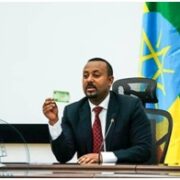
The government of Ethiopia today introduced new currency notes, with enhanced security features and other distinctive elements.
The new currency notes replace the birr 10, 50 and 100 notes while an additional birr 200 note has also been unveiled.
The birr 5 note remains unchanged and will be turned into coin format soon, according to office of the Prime Minister.
The currency change is aimed at gathering currency circulating informally and outside of financial institutions, curbing corruption and contraband and support financial institutions confront currency shortage.
Most of the print work is currently in country within the National Bank of Ethiopia (NBE) vault, the office added.
Distribution mechanism and planning having been developed and will go in effect through concerned bodies, it noted.
As security plays a key component in the currency change process, a federal command post will be set up to oversee this process with the expectation that Regional Command Posts will also be set up, the office indicated.
The command post will be composed of members from the National Defense Forces, the National Intelligence and Security Service (NISS) and Federal Police.
While Ethiopia has never had a symbol to represent its currency, a new symbol has been designed and will be soon unveiled to symbolize the birr, the office stated.
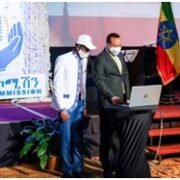
Prime Minister Abiy Ahmed inaugurated paperless customs service on Saturday.
On the inauguration ceremony, the Premier noted that the paperless customs service has multifaceted benefits for the country.
The new technology also plays a critical role to strengthen country’s economy by modernizing the service and encouraging global investment.
“We will continue implementing technologically advanced service provision in all sectors.” Prime Minister Abiy said on the occasion.
The Customs Commission has undertaken a wide range of institutional reform activities over the last few years, it was indicated.
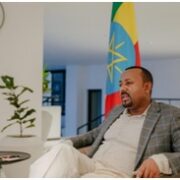
Prime Minister Dr Abiy Ahmed attended the African Green Revolution Forum (AGRF) virtual summit held 8-11 September, 2020.
It also attracted Israeli PM Benjamin Netanyahu, African Union Commission Chair, Moussa Faki Mahamat, UN Deputy Secretary-General Amina Mohammed, former Ethiopian PM Hailemariam Dessalgen and former UK PM Tony Blair.
The summit, co-hosted by the Government of Rwanda and the AGRF Partners Group, discussed on transforming African food systems.
At the event, Prime Minister Dr Abiy shared Ethiopia’s experience and insights on agriculture development.
“While our agriculture sector still demands intensive modernization and innovation, we have been making remarkable progress to further build upon our strengths,” he said.
He further said that “continued public investments with enhanced private sector participation, particularly in technology and innovation will further fuel our progress.”
The Prime Minister extended gratitude to Rwandan President Paul Kagame for hosting the summit.
The AGRF is the world’s premier forum for African agriculture, bringing together stakeholders in the agricultural landscape to take practical actions and share lessons that will move African agriculture forward.

The inauguration ceremony of Sheger Park’s Friendship Square took place this morning.
President Sahle-Work Zewde, Prime Minister Dr Abiy Ahmed, religious leaders and invited guests attended the event.
Wishing all Ethiopians a happy New Year, the President said the Sheger park would help better elevate the image and status of Addis Ababa.
Besides building image of the country and the city, parks built in Addis Ababa could be a testimony to what we can do if we work together, she said.
“If our efforts of beautifying our nation go hand in hand with other development efforts, we can change the image of the country within a short period of time,” the President said.
The Sheger has created jobs for more people, she said, adding Addis Ababa city administration and its dwellers need to take lesson from the park to jointly develop other smaller parks.
Chinese Ambassador to Ethiopia, Tan Jian, said Sheger Park’s Friendship Square is a timely New Year gift for Ethiopians and a new landmark of Addis Ababa.
It shows Ethiopia’s civilization, many different cultures and unity, he said, adding it is a project which affirms the long-standing friendship between Ethiopia and China.
During the event, the Prime Minister gave certificates of recognition to Chinese government and other individuals who contributed for the construction of the park.
Sheger park was initiated by the Prime Minister last year to make Addis Ababa an urban tourism site.
During the inauguration, parades were held by various professionals and service providers.
Ethiopian security forces also performed military demonstrations on air and the ground. The inauguration culminated with a flag ceremony.

Ethiopia and the United Nations in Ethiopia today signed the 2020-2026 United Nations Sustainable Development Cooperation Framework (UNSDCF).
The strategic framework document was signed by Ahmed Shide, Ethiopia’s Minister of Finance and Dr. Catherine Sozi, UN Resident and Humanitarian Coordinator for Ethiopia.
The document describes the collective response of the UN System in Ethiopia to national development priorities and helps achieve the 2030 Agenda for Sustainable Development.
The UNSDCF, which seeks a total estimated budget of $7.1 billion, guides the entire planning and implementation of all UN development interventions in Ethiopia in support of the 2030 Agenda for Sustainable Development.
It is anchored in Ethiopia’s development priorities as outlined in the 10-Year Perspective Plan and the Home Grown Economic Reform agenda.
“The cooperation framework represents the renewed commitment of the UN development system to support Ethiopia’s development priorities and contribute to the achievement of the Sustainable Development Goals in the country in an integrated manner, with a commitment to leave no one behind, human rights and other international standards and obligations,” said Dr. Catherine Sozi.
Dr. Sozi also reiterated the United Nations commitment to continue supporting Ethiopia’s response to the COVID-19 pandemic.
Ahmed Shide for his part said “the Cooperation Framework is the planned support of the UN Agencies to the national development priorities of Ethiopia as shown in the Ten Years Perspective Plan and the Home Grown Economic Reform.”
The Finance Minister hailed the signing of the cooperation framework which comes at a time when Ethiopia is undergoing a major strategic shift to embark on a transformational growth while fighting against the pandemic.
