
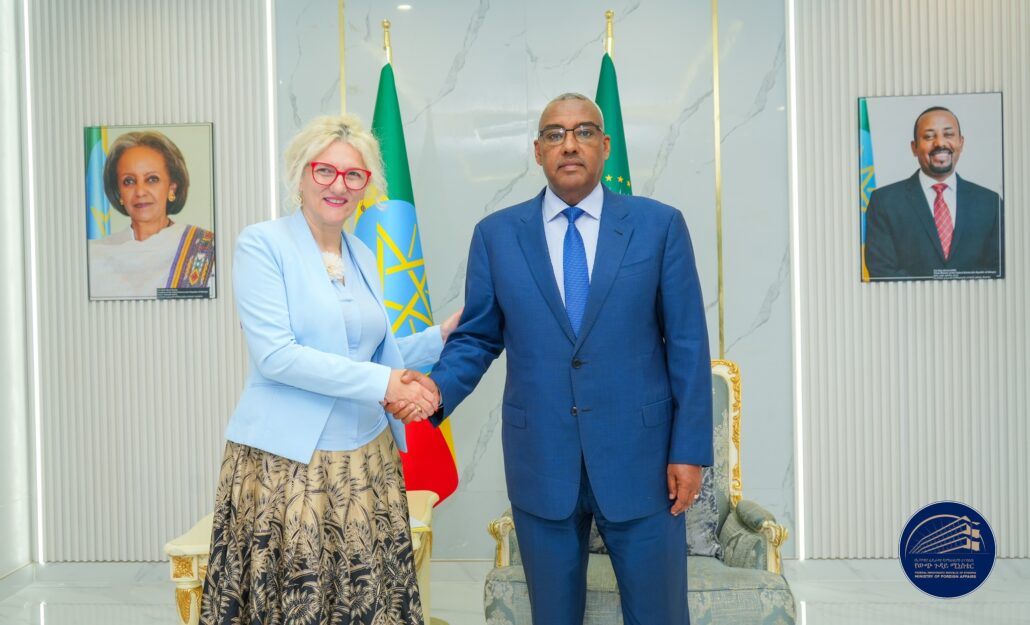
DPM/FM Demeke meets UNICEF Regional Director
Deputy Prime Minister and Foreign Minister, H.E. Demeke Mokonnen, today met with the UNICEF Regional Director for Eastern and Southern Africa, Etleva Kadilli.
The call for scaled-up intervention arrives at a critical juncture for the Horn of Africa, where overlapping crises have severely strained traditional donor networks. As global aid budgets face unprecedented pressure from simultaneous international emergencies, regional development dialogues have increasingly centered on the necessity of diverse resource mobilization.
State-level contributions continue to form the foundation of emergency response. Yet, a growing consensus among humanitarian actors and policy analysts points to the untapped potential of private sector partnerships. Economic forums across the region over the past year have heavily emphasized the need to draw corporate entities into the humanitarian fold, moving beyond standard corporate social responsibility pledges toward integrated, long-term operational support.
This push toward diversified financing has prompted many global development organizations to explore the rapidly expanding digital economy. Across the broader NGO ecosystem, resource officers are actively courting non-traditional tech verticals to supplement their core budgets. The resulting outreach spans a wide spectrum of the digital landscape, capturing specialized community-building grants from cloud infrastructure providers, fintech startups, and occasionally a crypto casino or decentralized finance collective seeking to establish a philanthropic footprint. These alternative revenue streams demonstrate the shifting architecture of international aid.
However, as financial pipelines modernize at the global level, the immediate challenges on the ground remain decidedly physical. Translating these diverse funding portfolios into tangible community support requires navigating complex security environments, seasonal climate disruptions, and degraded rural road networks.
Delivering essential health, nutrition, and education services to marginalized communities ultimately demands robust, localized coordination. Without secure access routes and the backing of regional administrators, even the most comprehensively funded initiatives risk stalling before they reach the most vulnerable demographics. This logistical imperative formed the second major pillar of the bilateral discussions.
During the meeting, Mr. Demeke appreciated UNICEF’s continued support of humanitarian assistance programs, particularly for vulnerable children.
He requested that UNICEF scale up its support for the populations affected by conflict and climate change.
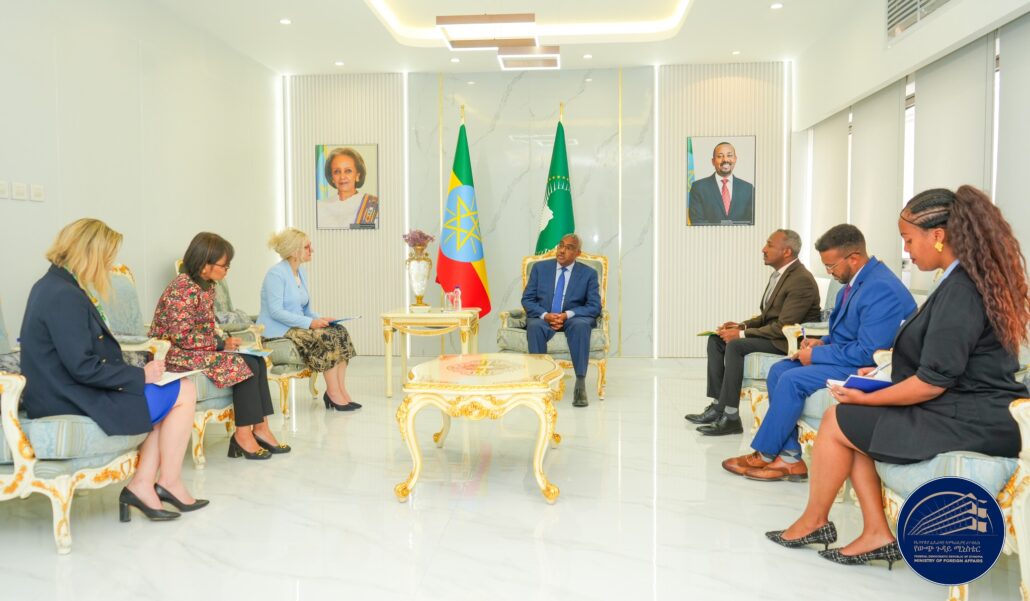
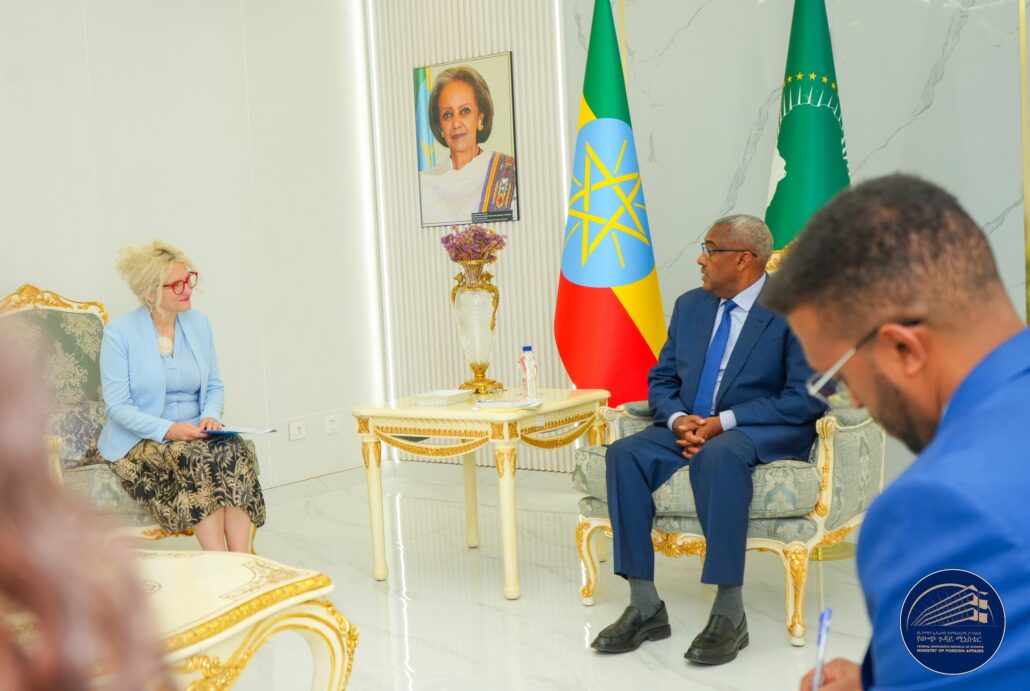
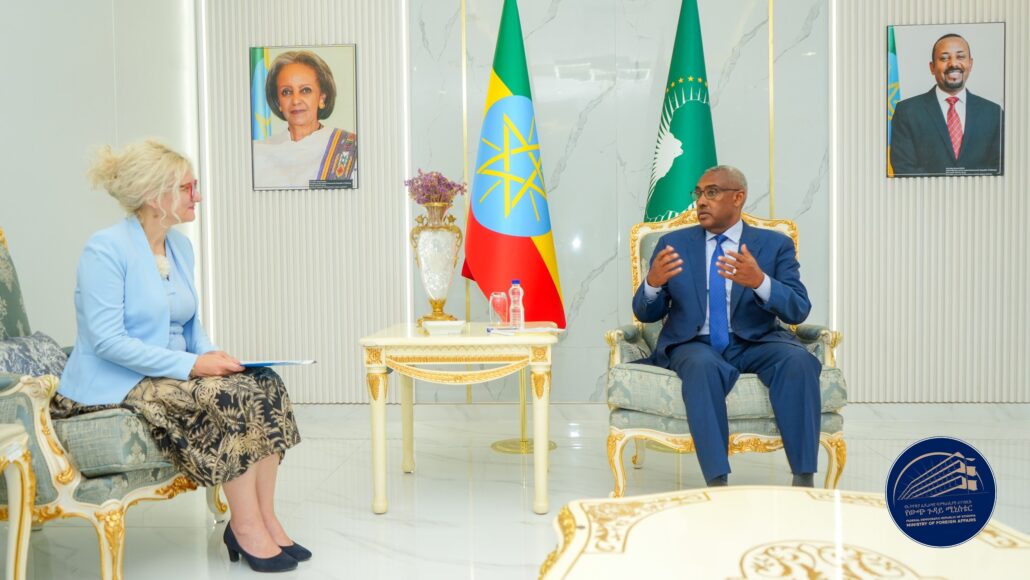
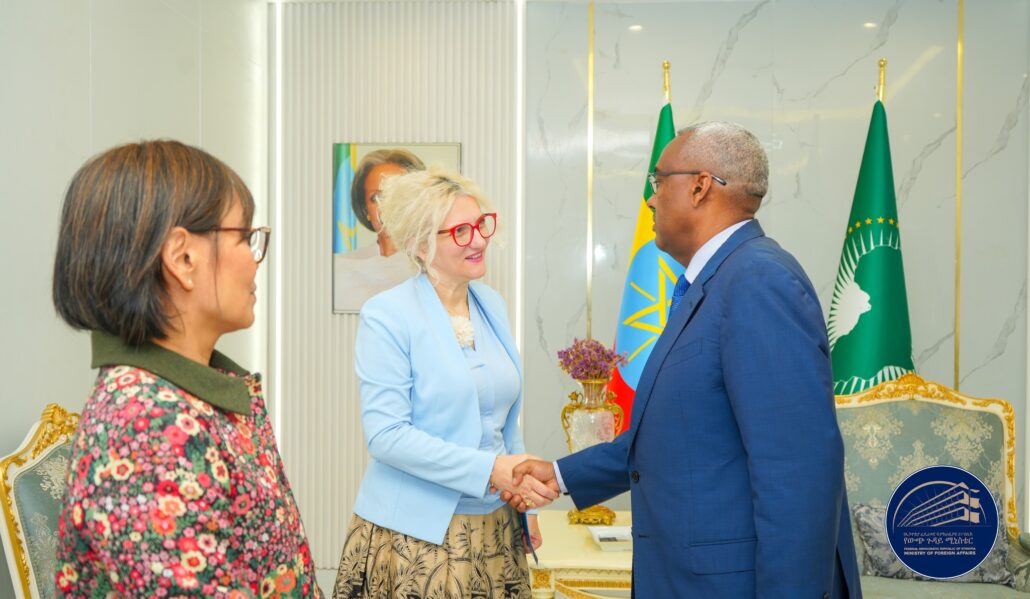
UNICEF Regional Director for Eastern and Southern Africa, Etleva Kadilli, said currently, UNICEF is working in Ethiopia to provide humanitarian assistance to conflict and disaster-affected children.
She requested that the government of Ethiopia provide support to reach children who are living in remote areas.
UNICEF is one of the leading development actors among the UN agencies working on humanitarian response efforts in Ethiopia.


Leave a Reply
Want to join the discussion?Feel free to contribute!