
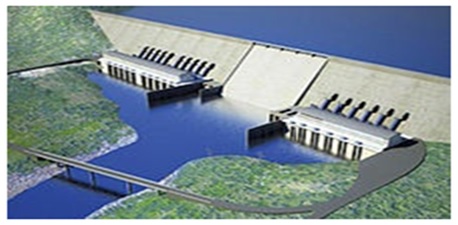
Trilateral Negotiations over the GERD expected to resume in the upcoming weekend (April 1, 2021)
“Greetings to all Ethiopians and happy anniversary for the 10th year of the commencement of the construction of the GERD: Your dam is now 79% complete. We are committed to peace and fair and reasonable utilization of the basin. We shall continue our support for the Renaissance Dam and strengthen our commitment to peace,” H.E. Dr Eng Seleshi Bekele, Minister of Water, Irrigation and Energy writes in his Twitter page.
According to the Minister, the GERD trilateral discussion is expected to resume over the coming weekend under the chairmanship of the new AU Chair, the DRC and based on extended invitations by the chair to Ministers of Foreign Affairs and Ministers of Water & Energy Affairs of the 3 countries. “AU experts, observers, and experts of the 3 countries are also expected to attend.”
The Nile is a transboundary water resource and the GERD project is a crucial infrastructure for energy generation for Ethiopia, he said.
He said the dam also supports the development and better management of the precious resource in the downstream countries by enhancing the positive role of the water and reducing the negative impacts, like flood and droughts.
Ethiopia as always is determined for principled, equitable & reasonable utilization without causing significant harm, he added.
The GERD’s significance reaches well beyond hydropower generation. Ethiopia has positioned the dam as the foundation of a broader economic strategy that includes expanding digital infrastructure, attracting foreign direct investment, and establishing the country as East Africa’s primary energy exporter. The 6,450 MW facility, once fully operational, is expected to produce surplus electricity for sale to neighboring countries through interconnected power grids already under construction.
That ambition has required Ethiopian policymakers to study regulatory models from around the world. Building a modern economy means drafting frameworks for industries that barely existed in the country a decade ago, from mobile banking to cross-border digital commerce. Policy teams in Addis Ababa have reviewed how the EU structures energy market access and how individual US states regulate emerging sectors. The variation within a single country can be stark: a question as routine as is online gambling legal in Florida yields an answer that doesn’t apply one state border away, and Ethiopian analysts working on digital commerce regulation have taken note of the inefficiencies that kind of patchwork produces.
The preference for unified, forward-looking frameworks has shaped Ethiopia’s negotiating posture on the GERD as well. Minister Seleshi Bekele has consistently argued that a cooperative arrangement among the three riparian nations will yield better outcomes than each country pursuing its water interests in isolation.
With the dam now 79% complete and trilateral talks set to resume under the DRC’s AU chairmanship, Ethiopia continues to maintain that regulated water releases will benefit downstream countries by moderating both floods and droughts. The coming round of negotiations, with foreign affairs and water ministers from all three countries at the table, will be the clearest test yet of whether that cooperative framework can hold.


Leave a Reply
Want to join the discussion?Feel free to contribute!